Pagine

Showing posts with label RPG. Show all posts

Tuesday, 25 November 2014

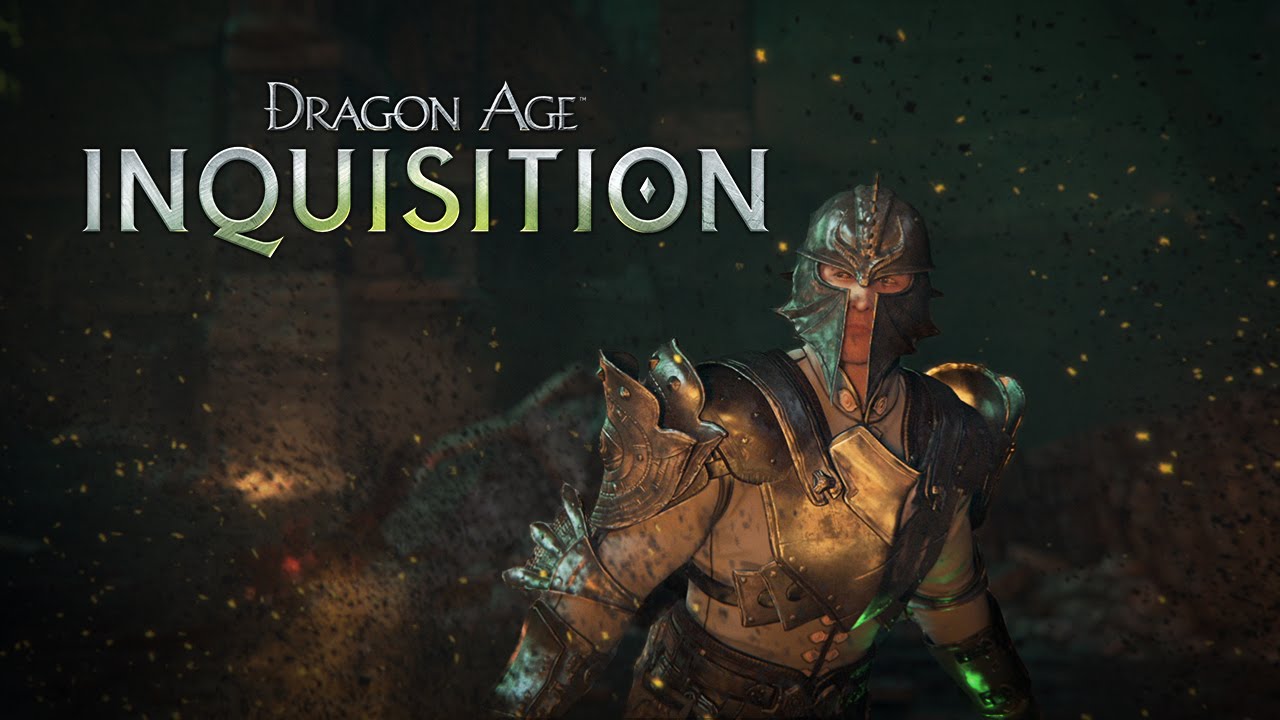
DRAGON AGE™: INQUISITION Official Trailer – The Breach - [2014]

A cataclysmic event Plunges the land of Thedas into turmoil. Dragons darken the sky, casting a shadow over lands on the brink of chaos. Mages break into all-out war against the oppressive templars. Nations rise against one another. It falls to you and your allies to restore order as you lead the Inquisition and hunt down the agents of chaos.

Explore, lead, and battle: Tough choices define your experience, and even one decision can change the course of what's to come.

What does it mean to pierce the Veil, that which separates our world from the realm of dreams and demons? For the average man and woman, it is a frightening thought to consider just how fragile this separation actually is. The Veil is not a physical curtain, not a structure limited to a particular place—it is everywhere. It is in their home, in the streets where they walk, in farmers' fields as well as remote mountain vales. At any moment it could be torn to shreds, allowing demons and other horrors to flood into our world like water through a burst dam. Known lore tells us that small rifts can be sealed... but what about a large one? What if some catastrophic magical event created a rift so large and horrific, it weakened the integrity of the Veil as a whole? Such a "breach" would threaten our entire world, turning concerns about occasional demonic intrusion into a charming anecdote compared to the monsters we would then face. If there is anything to be done, any reason we should look at magic with fear, it is for that possibility more than any other.
- From The True Threat of Magic by Lady Seeker Alandra Vael

Dragon Age: Inquisition, the third main game in BioWare's Dragon Age series, features a wide-array of characters.
The player fills the role of "the Inquisitor", leader of the re-established Theodosian "Inquisition", setting out to stop the demons that that have invaded the world of Thedas. The Inquisitor, whose race and gender is chosen by the player, can be accompanied by several "companions", or party members, who also join the Inquisition. Several characters, such as Morrigan and Leliana, return from previous games in the series, and two companions—Varric and Cassandra—both appeared in the second game (Varric being the only returning companion). Nine companions appear in all: Cassandra, Varric, Vivienne, Sera, Iron Bull, Solas, Blackwall, Dorian, and Cole.

Concept and creation

The creation process for Inquisition '​s characters each began with a concept artist, who was supplied with a very short blurb by the writers, rather than being written in advance. This was done in order to keep the concept artists from always having to "play catch-up" and make the process more collaborative.[1] For Inquisition, they wanted the characters to be more recognizable, and BioWare stated they preferred "realistic" characters over "the embodiment of perfection".[1] In deciding the cast for their games, Mike Laidlaw commented that BioWare looks at its major themes, and uses the party members to help pose "high-level questions" to the player and allow them to humanise issues.[1] BioWare tries to create a party dynamic.[1] Mark Darrah, the game's executive producer, noted that generally they tried to balance the characters between the classes, genders, romance options, and other things.[2]
Several characters from previous Dragon Age games return in Inquisition. It was important that any returning characters made sense.[1] Darrah commented that they were unlikely to reuse any previous romance options as companions due to the "baggage" that comes with them, though they could appear in cameos. He gave one reason that a character might return is an incomplete arc, pointing to Isabela's return in Dragon Age II.[2]
The characters were made before deciding who the romance options will be, and how many options there are; this is in order to ensure the characters are built-up and "real" first.[3] The developers try to balanced making the romances nuanced while not spending too much time developing "essentially optional" content.[3] The romances in Inquisition tried to explore new ground rather than repeat narratives seen in earlier romances.[3] Unlike previous games, Inquisition is said to favour event-driven content over approval ratings.[3][4] Romances can vary between falling for heated rival or "fooling around with a friend", depending on the player's choices, in addition to the more traditional route of falling in love.[5][6] The sex scenes in Inquisition are intended to be more "mature and tasteful", with cinematic director Jonathan Perry noting that controversy wasn't just a matter of concern, but also a limit on budget and the expense of animation fidelity. The developers wanted to focus not on the sex itself, but rather on that it was "the culmination of spending a lot of time with a character and getting to know them".[7]
Unlike the previous Dragon Age games, no DLC companion is planned for the game. Creative director Mike Laidlaw commented how due to the nature of their companions part of the DLC companion had to be on the disc, and some controversy was caused by players believing they were paying for companions they already owned.[8][9] Inquisitionfeatures nine companions in all.[8][9]
To help cosplayers, fan-artists, and others, BioWare is releasing character reference kits that detail their costumes.[10][11] The first one released was Morrigan.[11]

The Inquisitor

Voiced by: Harry Hadden-Paton and Alix Wilton Regan (British accents); Jon Curry and Sumalee Montano (American accents)[12]
The player character of the game, the Inquisitor is the sole survivor when a Fade tear erupts over a peace meeting between leaders of the Chantry and the mage rebellion. After this event, the character is placed head of the new Inquisition, and tasked with stopping the Fade tears and investigating their source. The Inquisitor is customisable, with the player given the choice over their gender, class (mage, rogue or warrior), race, and voice set. Most of their responses are controlled by the player through a dialogue wheel.
The Inquisitor has two different voices for each gender, with the choice between either a British or an American accent.[17] Alix Wilton Regan, provider of the Inquisitor's British female accent, believed there should be a sense of "strength, authority" to the Inquisitor, and so used a more "chesty" voice instead of more high and in the throat. Regan has said she is proud to be voicing a female protagonist for BioWare, focusing on the importance of inclusion.[18]With the Dragon Age series, developers wished to focus more on the world than build an arc around a single protagonist.[2][13]Mark Darrah noted how Hawke, the protagonist of Dragon Age II, was "really a leaf in the wind", and contrasted them against the Inquisitor, acting on the world instead of reacting to the world "pushing down on you".[2][13] Although BioWare originally stated that the Inquisitor would be human-only, it was later announced that the ability to choose your race, an option available in Origins, would return.[14] In addition to being able to be a human, dwarf or elf, Inquisition also introduces the option for the player to make their Inquisitor a "Qunari", a large horned race.[15] The developers wanted there to be some sort of significant impact to your choice of player, both from characters and the storyline.[16]
IGN's Mitch Dyer called the ability to play as a Qunari one of the "6 most exceptional things" he'd seen in Inquisition, also taking interest in the ability to play as a female Qunari partly due to it being their first appearance.[19] Matt Bertz of Game Informer was also glad to be able to play as a Qunari, believing "[t]he more playable races, the better in my mind".[15] Also writing for Game Informer, Kimberley Wallace called the player's "reach" as Inquisitor one of Inquisition '​s "striking features", saying "Your character has so much power over where the story goes and how events will play out, and part of the fun is deciding what type of leader you want to be."[20]


Tuesday, 30 September 2014

Megami Tensei (女神転生 La reincarnazione della Dea) - [1987-2014]


Megami Tensei (女神転生 La reincarnazione della Dea), comunemente abbreviato in MegaTen (メガテン), è una serie di videogiochi di ruolo giapponesi, originariamente ispirati alla serie di romanzi Digital Devil Story di Aya Nishitani (il nome della serie proviene dal primo volume della serie di romanzi). I titoli della serie sono stati pubblicati dalla Atlus ad eccezione di quelli pubblicati per Famicom (NES), che sono stati pubblicati dalla Namco.
Anche se la maggior parte dei titoli della serie hanno una storia indipendente, i videogiochi della serie Megami Tensei hanno molti elementi in comune fra loro. La mitologia e i demoni sono elementi dominanti in ogni capitolo della serie, in genere dando ai giocatori la possibilità di reclutare i demoni nelle battaglie. Altri elementi comuni includono il gameplay ed i temi della trama.
I giochi della serie Megami Tensei hanno incontrato grande favore da parte del pubblico e della critica, e la serie è conosciuta in Giappone come la terza in importanza fra i videogiochi di ruolo, dopo Dragon Quest e Final Fantasy.[1] Non tutti i titoli della serie tuttavia sono stati pubblicati al di fuori del Giappone.


Giochi

Il primo gioco della serie, Digital Devil Story: Megami Tensei, è basato sul romanzo dallo stesso nome dell'autore Aya Nishitani.[2] È stato pubblicato in Giappone nel 1987 sia perMSX che per Famicom.[3][4] Insieme al suo sequel, Megami Tensei II, sono gli unici due giochi della serie ad avere solo Megami Tensei nel titolo. Kyūyaku Megami Tensei (旧約・女神転生?) è il titolo del remake per Super Famicom dei primi due MegaTen. In seguito la serie di punta è diventata la serie Shin Megami Tensei (真・女神転生?), traducibile come "La reincarnazione della vera Dea",[2] Lo Shin in questo caso è un gioco di parole con lo shin (?) che vuol dire "nuovo". Come spin-off di Megami Tensei, in seguito è diventato il sottotitolo di tutti gli adattamenti non giapponesi dei titoli della serie Megami Tensei.
Altri giochi inclusi nella serie Shin Megami Tensei includono Shin Megami Tensei II per Super Nintendo, pubblicato nel 1994[5]Shin Megami Tensei if..., sempre per Super Nintendo nel 1994[6]Shin Megami Tensei III: Nocturne per PlayStation 2[7] e Shin Megami Tensei: Strange Journey per Nintendo DS.[8] Un MMORPGShin Megami Tensei: IMAGINE, è stato pubblicato nel gennaio 2008, sviluppato dalla Cave e pubblicato internazionalmente dalla Aeria Games. Il gioco si svolge fra il primo ed il secondo Shin Megami Tensei, ed i giocatori assumono il ruolo di un Devil Buster, che si avventura in una apocalittica Tokyo, alla luce della rinascita dell'umanità contemporaneamente ad un improvviso assalto di demoni.

Titoli della serie

Serie originale
Serie Shin Megami Tensei
Serie Digital Devil
Serie Devil Summoner
Serie Raidou Kuzunoha
Serie Persona
Serie DemiKids
Spin-off
  • Devil Children: Card Summoner (2001)
  • Devil Children: Puzzle de Call (2003)
Serie Last Bible
Serie Majin Tensei
Altri giochi

Elementi comuni

Trama e temi

La serie Megami Tensei si distingue tra gli altri videogiochi di ruolo giapponesi perché evita le impostazioni e gli elementi tipicamente cappa e spada tipici di questo genere. I giochi della serie MegaTen normalmente si svolgono nel Giappone attuale o in un futuro prossimo e ruotano attorno ad elementi di occulto con contaminazioni cyberpunk.
Megami Tensei in italiano vuol dire La reincarnazione della Dea ed infatti l'eroina del primo gioco è effettivamente la reincarnazione della dea Shinto Izanami. Nonostante il loro mantenimento di questo titolo, questa parte della storia non è presente nella maggior parte degli altri giochi, anche se ci sono sempre personaggi che potrebbero essere considerati delle divinità.[2]
Ogni gioco nella serie contiene un qualche tipo di comunicazione fra i personaggi umani ed i personaggi demoniaci, ed al giocatore è spesso data la possibilità di convincere i demoni ad unirsi a loro nella battaglia. Inoltre, durante il gioco al giocatore è spesso richiesto di fare delle scelte morali o filosofiche che influenzeranno la linea narrativa del gioco ed il finale.

Shin Megami Tensei: Persona (ペルソナ Perusona) - [Atlus] - [1996-2014]

Shin Megami Tensei: Persona, conosciuto in Giappone come PERSONA (ペルソナ Perusona) è una serie di videogiochi di ruolo sviluppati e pubblicati dalla Atlus.
La serie è uno spin-off della popolare serie Megami Tensei, che parla di un gruppo di invocatori di demoni. Tuttavia, la serie Persona ruota intorno ad un gruppo di adolescenti che hanno l'abilità di invocare alcuni aspetti della loro psiche in esseri viventi, conosciuti come "Persona". Il gioco trae molti elementi dagli archetipi della psicologia analitica. Il primo gioco della serie è intitolato Megami Ibunroku (女神異聞録?) che si può tradurre dal giapponese "Cronache delle strane avventure della Dea", denotando la sua caratteristica natura di side story o universo alternativo.
La serie ha subito un drastico cambiamento nel design durante Shin Megami Tensei: Persona 3, che ha introdotto elementi dei giochi di simulazione nella serie che è stata continuata in Shin Megami Tensei: Persona 4. Ogni titolo della serie utilizza un metodo diverso per invocare Persona come gli evocatori in Shin Megami Tensei: Persona 3 ed i tarocchi in Shin Megami Tensei: Persona 4.
Dalla serie sono stati tratti due anime intitolati Persona -trinity soul- nel 2008 e Persona 4: The Animation nel 2011, e un film d'animazione intitolato Persona 4 the Animation: The Factor of Hope nel 2012. Una serie di film basati su Persona 3, inoltre, sono stati annunciati. Essi ripercorreranno fedelmente tutti gli eventi del videogioco, ed il primo film, intitolato Persona 3 The Movie#1: Spring of Birth è stato proiettato in Giappone il 23 novembre 2013. Il secondo film, intitolato Persona 3 The Movie #2: Midsummer Knight's Dream, è stato annunciato durante i titoli di coda del primo film, ed è previsto per il 2014.


                           For the video game of the same name, see Revelations: Persona.
Shin Megami Tensei: Persona
Persona PSP Logo.jpg
The logo of Shin Megami Tensei: Persona, the remake of the first game in the series.
GenresRole-playing game
Social simulation
DevelopersAtlus
Dingo (P4D)
Arc System Works (P4U)
PublishersAtlus (Main)
Koei (P3, P3FES Europe Only)
Square Enix (P4 Europe Only)
Ubisoft (P4 Australia Only)
Ghostlight (P3P, P2IS Europe Only)
NIS America (P4G Europe Only)
PlatformsArcade
Microsoft Windows
Nintendo 3DS
PlayStation
PlayStation 2
PlayStation 3
PlayStation 4
PlayStation Portable
PlayStation Vita
Xbox 360
Platform of originPlayStation
First releaseRevelations: Persona
September 20, 1996 
Latest releasePersona 4 Arena Ultimax
August 28, 2014
Shin Megami Tensei: Persona, known in Japan as Persona (ペルソナ Perusona) is a series of role-playing video games developed and published by Atlus. The series is a spin-off of the Megami Tensei series which focuses on demon summoners. However, the Persona series centers around groups of teenagers who have the ability to summon facets of their psyche, known as Personas, into being. The game draws many elements from Jungian psychology and various Jungian archetypes. The first game in the series is calledMegami Ibunroku (女神異聞録?) in Japan which translates to "Record of the Goddess' Strange Tales," denoting a side story or alternate universe. The series underwent a drastic change in design during Shin Megami Tensei: Persona 3 which introduced elements of simulation games into the series which was continued in Shin Megami Tensei: Persona 4. Each title in the series utilizes a different method to summon Personas such as Evokers in Shin Megami Tensei: Persona 3 [1] and Tarot cards in Shin Megami Tensei: Persona 4.[2] While the North American localizations of the Persona series all carry the Shin Megami Tensei label, the Persona series is actually a spin-off of the Megami Tensei main series. Persona 4 Arena is the first game of the series to drop the Shin Megami Tensei label for its North American release, reflecting Persona's status as a spin-off of the main series.


Titles

The series consists of three anime and three film adaptations and eight games — six main games developed by Atlus, two enhanced versions of the PlayStation 2 game Shin Megami Tensei: Persona 3 titled Shin Megami Tensei: Persona 3: FES and Shin Megami Tensei: Persona 3 Portable. Other remakes include a PlayStation Portable remake of the PlayStation game Revelations: Persona titledShin Megami Tensei: Persona.
The second title in the series was released as two installments: Persona 2: Innocent Sin, released in 1999,[3] and Persona 2: Eternal Punishment, released in 2000.[4] Both games were released on the PlayStation. Only Eternal Punishment was localized and released in North America on the PlayStation. Innocent Sin was released for the first time in America on September 20, 2011 on the PlayStation Portable. Ironically, the PlayStation Portable port of Eternal Punishment was unable to be localized.
Shin Megami Tensei: Persona 3 represented a drastic change in design for the series, as it introduced elements of simulation games. The player controls a high school student, who attends classes during the day; after school, the player's character is free to engage in a number of activities, such as seeing a movie or spending time with a classmate. These actions all have effects on the game's combat, which takes place at night. A character can summon their inner-self persona by shooting themself in the head using a special device known as an "Evoker" an instrument shaped like a gun but used to forcefully bring out their Personas.[1]
A similar concept was applied on the fourth game, Shin Megami Tensei: Persona 4 but characters use Tarot cards rather than Evokers to bring forth their Personas.

Console games

Handheld games

Anime

Film